Invited Speakers
Check back for more invited speakers to be added soon!
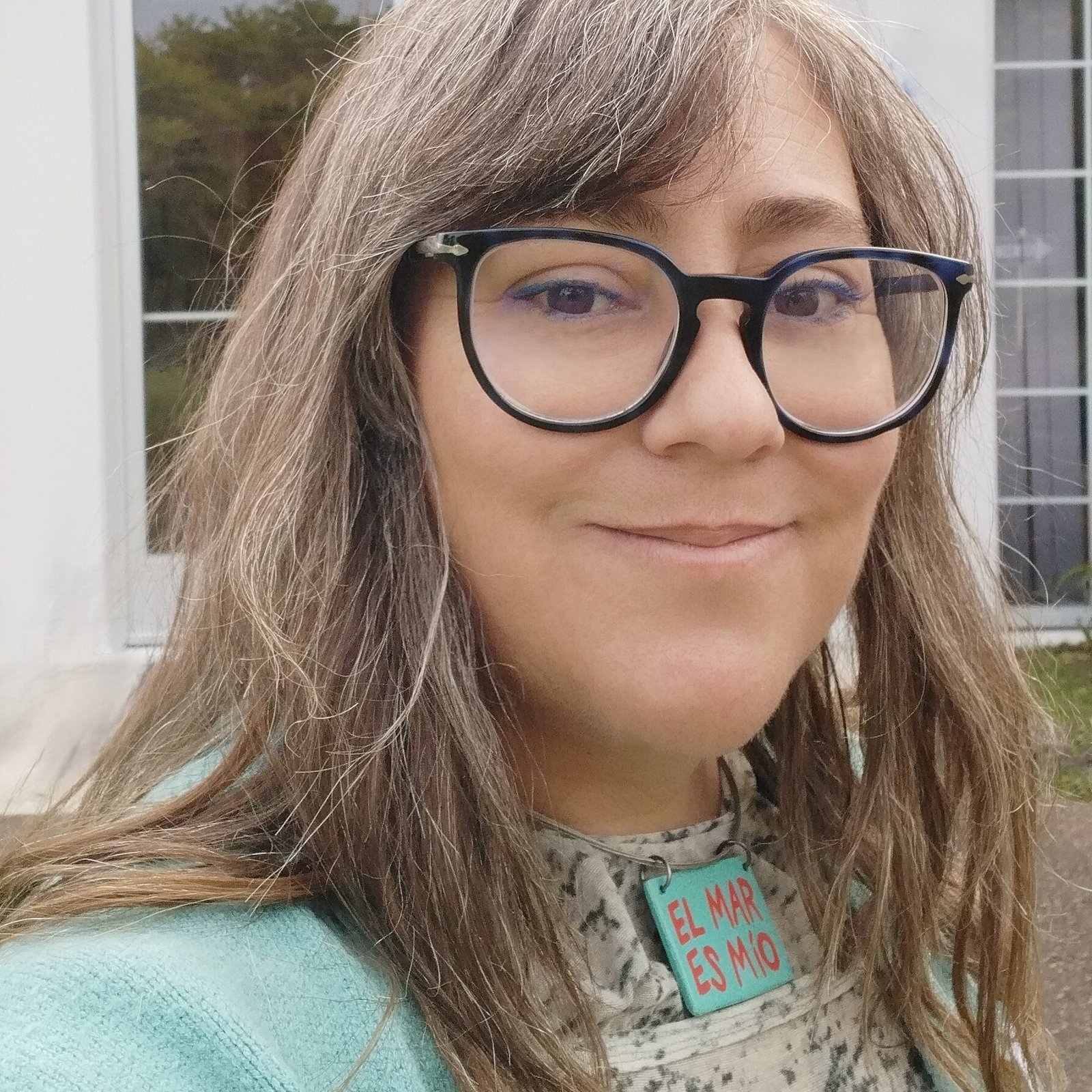
Dr. Carla F. Berghoff
INIDEP (Mar del Plata, Argentina)
Dr. Carla F. Berghoff is a Senior Scientist in the Dynamics of Marine Plankton and Climate Change program at INIDEP (Mar del Plata, Argentina). She holds a Ph.D. in Biochemistry and a B.Sc. in Zoology from the University of La Plata.
Her research focuses on long-term variability in ocean biogeochemical properties, including ocean acidification, in the Argentine Atlantic, based on field observations from ship-based ecological time series. She also leads CO₂ monitoring efforts in key fishing areas aboard the R/V Victor Angelescu, aiming to better understand the role of phytoplankton in regulating air–sea gas exchange.
She has held several international coordination roles, including co-chair of the Latin American Ocean Acidification Network (2020–2023) and, since 2024, co-champion of the OARS program under the UN Ocean Decade. She is also a member of the Scientific Steering Group of the International Ocean Carbon Coordination Project, where she contributes to strengthening regional ocean biogeochemical observations across Latin America.
Passionate about inclusive collaboration, she coordinates El Veril, a citizen science initiative that engages scuba divers in monitoring coastal biogeochemistry. She is also committed to science communication through artistic installations and public engagement, promoting knowledge exchange that bridges visual thinking and data science.
Dr. Brendan Carter
NOAA’s Pacific Marine Environmental Laboratory
Dr. Brendan R. Carter is a research oceanographer and affiliate faculty with the University of Washington. He works as part of the Carbon research team based at NOAA’s Pacific Marine Environmental Laboratory, focusing on ocean carbon cycling, ocean acidification, and the ocean’s role in absorbing anthropogenic CO₂. He combines field observations, carbonate chemistry, and modeling to study ocean carbon storage and its consequences, and evaluate emerging carbon dioxide removal approaches, including ocean alkalinity enhancement. His presentation focuses on lessons from recent OAE research, but he's also eager to discuss new his tools and data products for estimating anthropogenic carbon and a recent synthesis of 30 years of ocean alkalinity measurements led by his graduate student, which revealed global shifts in the ocean's hard tissue pump in response to ocean acidification.
Before moving to Seattle, Brendan studied at UC Berkeley, obtained his graduate degree from the Scripps Institution of Oceanography under Dr. Andrew Dickson, and did postdoctoral research with Dr. Jorge Sarmiento at Princeton University.
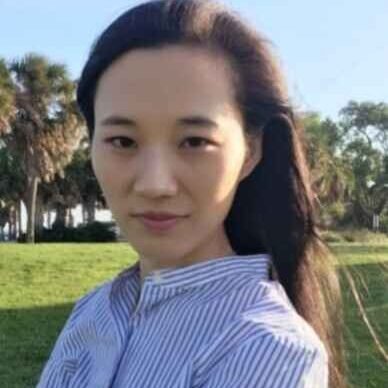
Assoc. Prof. Shuangling Chen
State Key Laboratory of Satellite Ocean Environment Dynamics, Second Institute of Oceanography, Ministry of Natural Resources
Dr. Shuangling Chen gained her Ph.D degree from University of South Florida, and now she conducts research on ocean color remote sensing, ocean carbon cycling, marine environmental change at Second Institute of Oceanography. Her work focuses on developing remote sensing algorithms of key environmental parameters, such as seawater pCO2, nutrients, chlorophyll-a concentration, etc., and monitoring their spatial and temporal dynamics in coastal and open oceans. Particularly, in addition to photo-active properties, she explores to develop remote sensing algorithms for photo-inactive properties with high accuracy, and create well-defined novel data products for the community. Her research addresses both satellite algorithms development and the biogeochemical implications. Dr. Chen’s work contributes to the development of novel remote sensing algorithms for marine environmental change, and enhances the scientific basis for understanding regional and basin-scale environmental change (e.g., NO3-, air-sea CO2 fluxes) from remote sensing. She was elected to the Qianjiang Talent Program and Young Top-notch Talent of the Ten Thousand Talents Program of Zhejiang Province, and she also serves on the steering committee of the UN Ocean Decade OASIS Program.
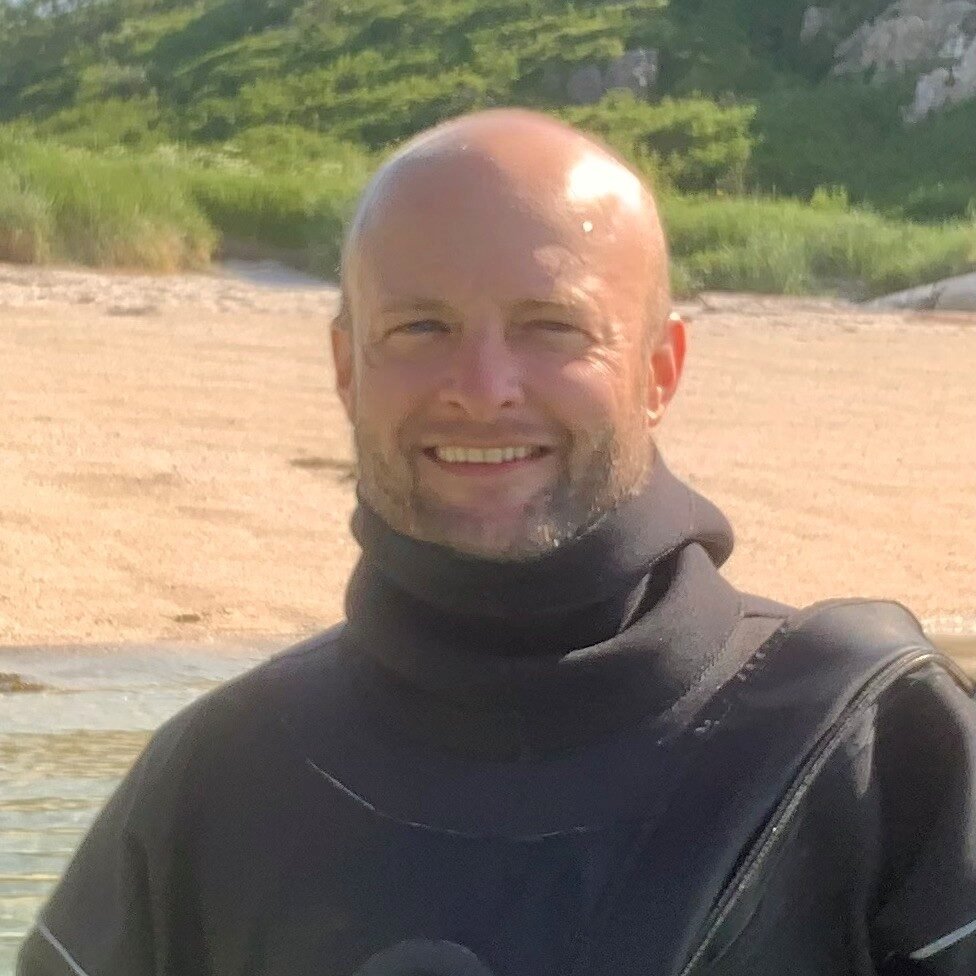
Dr. Steeve Comeau
CNRS Research Scientist at the Laboratoire d’Océanographie de Villefranche
Steeve Comeau is a CNRS Research Scientist at the Laboratoire d’Océanographie de Villefranche working on the biological impacts of ocean acidification and global environmental change. His research combines experimental ecology, carbonate chemistry, and field-based studies to examine how marine organisms, from seagrass to corals and macroalgae, respond to multiple environmental stressors. Through laboratory experiments and field campaigns conducted across polar and temperate regions, his work seeks to identify the physiological and ecological mechanisms that shape species vulnerability and ecosystem resilience under future ocean conditions.
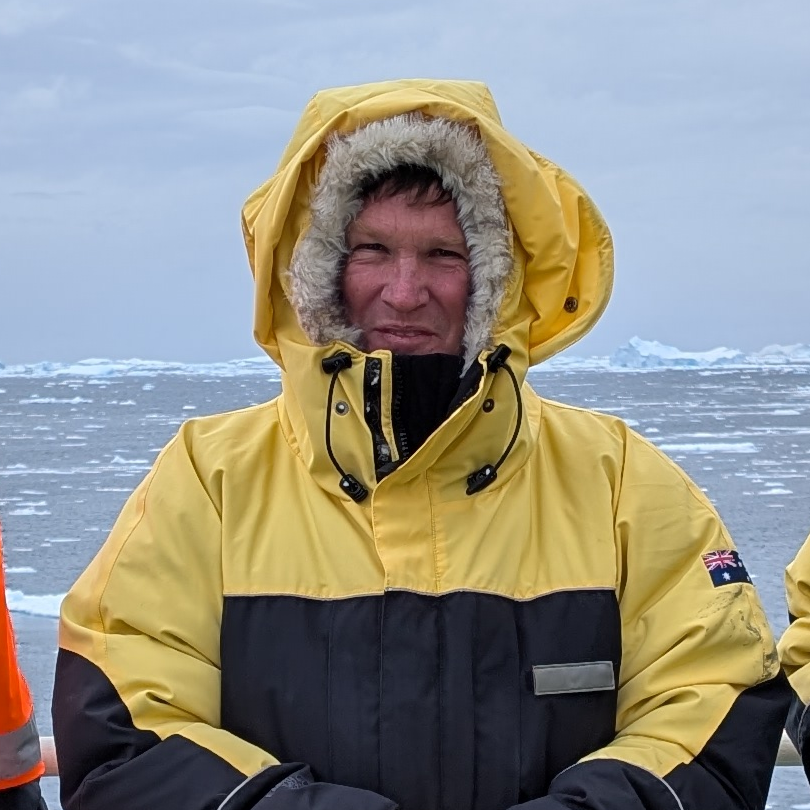
Prof. Micheal Ellwood
Research School of Earth Sciences, ANU College of Science and Medicine
Professor Ellwood’s research focuses on how trace metals regulate marine primary productivity, using field observations, isotopic tracers, and biogeochemical experiments to understand the processes that shape ocean nutrient cycles. His recent work extends these approaches to investigate carbonate chemistry and calcium cycling in the Southern Ocean, linking trace metal dynamics with questions about alkalinity, carbon export, and ocean chemistry.
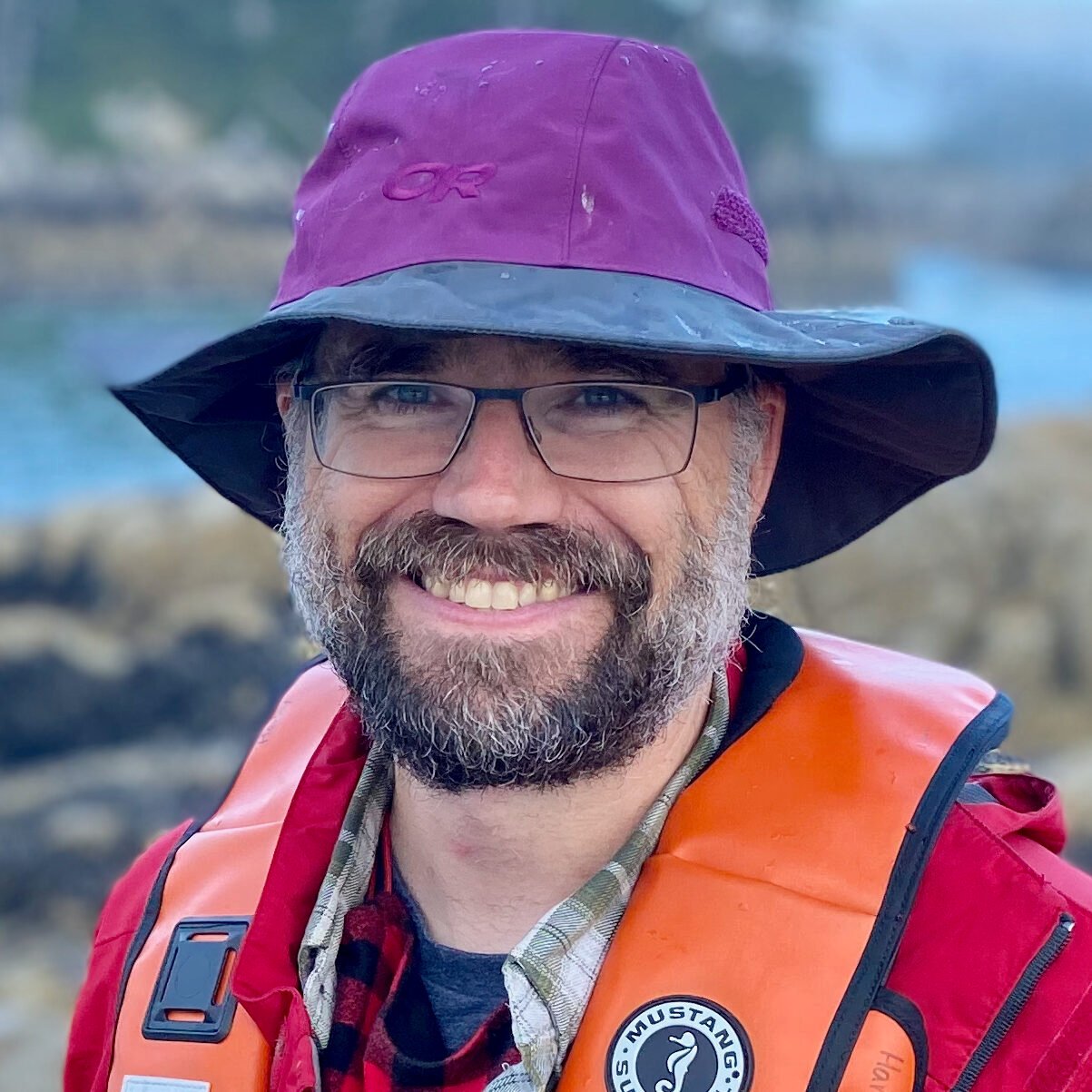
Prof. Chris Harley
Department of Zoology and Institute for the Oceans and Fisheries, University of British Columbia
Chris Harley has been studying coastal marine ecosystems along the west coast of North America and around the world for over 30 years. He joined the faculty at the University of British Columbia in 2005, where he is joint-appointed in the Department of Zoology and the Institute for Oceans and Fisheries. He and his students are interested in how marine ecosystems are changing and why, with emphases on climate change and ocean acidification, species interactions, and biodiversity.
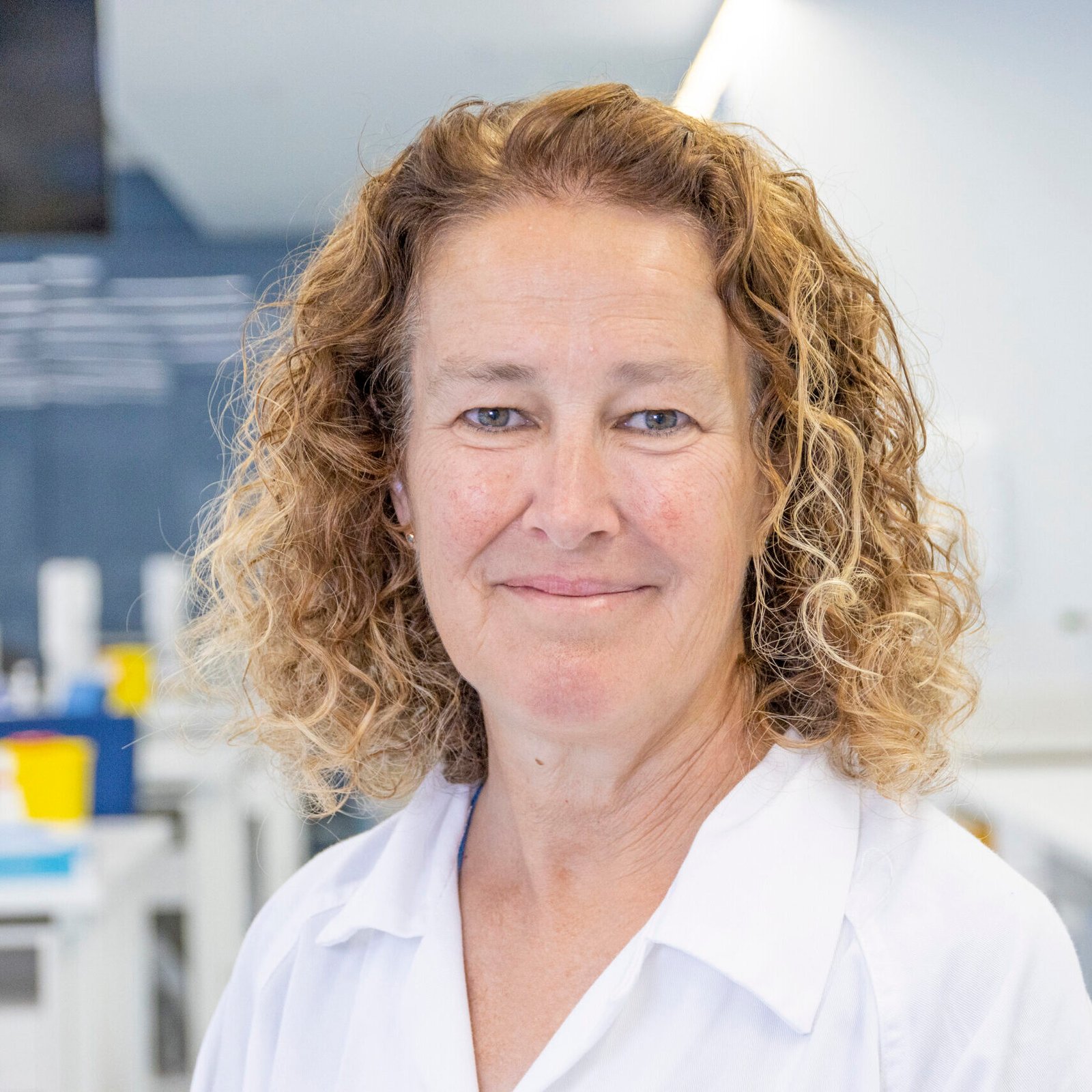
Dr. Catriona L Hurd
Institute for Marine and Antarctic Studies, University of Tasmania
Dr. Catriona L. Hurd is a phycologist with expertise in the physiological responses of seaweeds to environmental drivers including temperature, light, water motion, dissolved inorganic carbon and nutrient supply. Her research currently focusses on the impacts of multiple drivers (ocean acidification, ocean warming, nitrogen and iron supply, marine heat waves) on seaweed metabolism; and on assessing the role of seaweeds in marine Carbon Dioxide Removal. She has published > 200 papers, supervised > 80 postgraduate students and led the award-winning 2nd Edition of the textbook Seaweed Ecology and Physiology (2014).
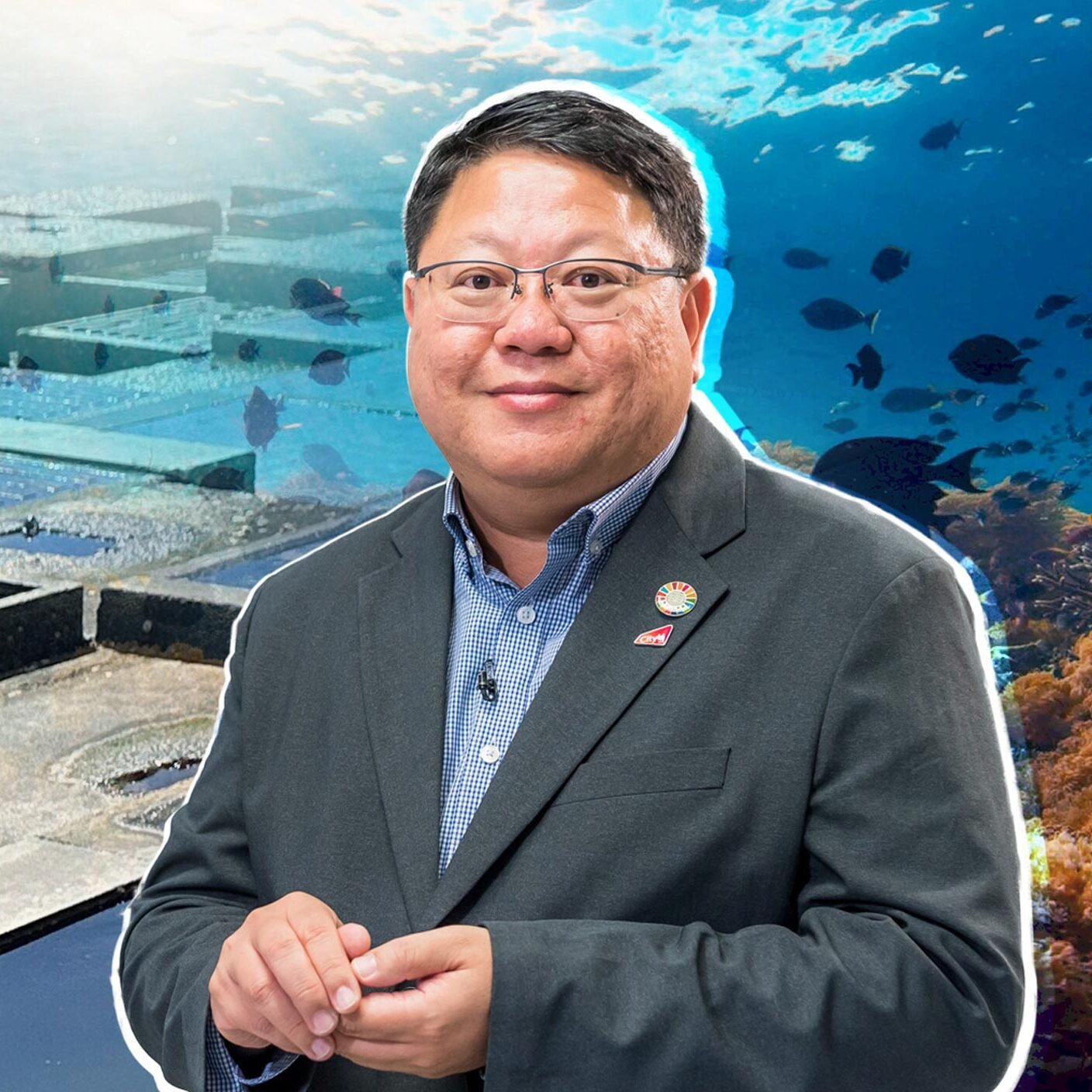
Prof. Kenneth Leung
State Key Laboratory of Marine Enviroment Health, City University of Hong Kong
Prof. Kenneth Leung is a marine ecologist, and his research interests encompass marine pollution, ecotoxicology, biodiversity conservation and ecological restoration. While studying the impact of multiple stressors on biodiversity loss, he explores mitigation measures. He is also leading the UN-endorsed Global Estuaries Monitoring (GEM) Programme with a goal to making our oceans cleaner and safer.
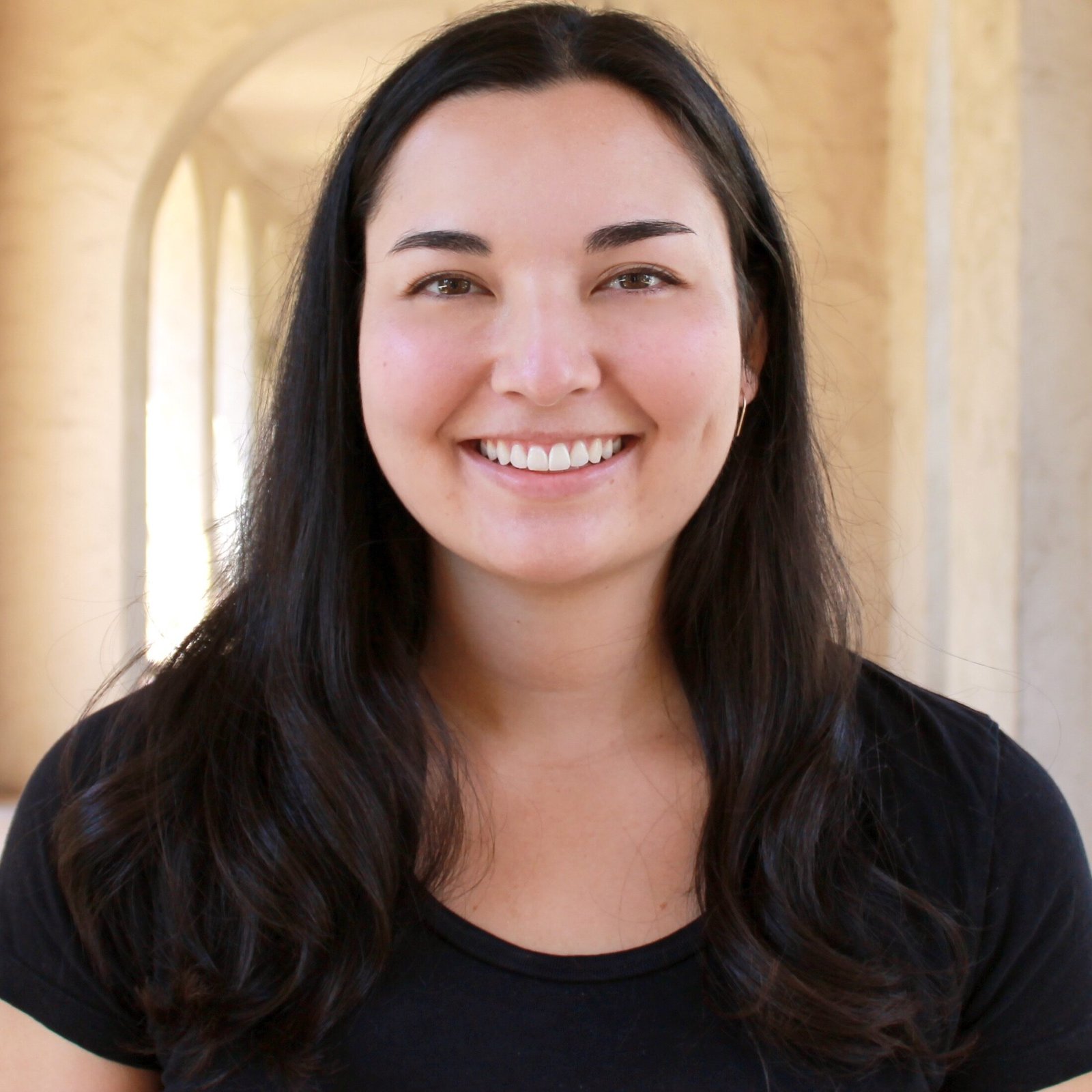
Dr. Ariel Pezner
University of Technology Sydney
Dr. Ariel Pezner is an oceanographer and marine biogeochemist passionate about researching the impacts of climate change on tropical coral reefs, as well as promoting equity, diversity, and inclusion in the sciences. Her research integrates biogeochemistry, oceanography, and ecophysiology to investigate the patterns and impacts of deoxygenation on tropical coral reefs from molecular to reef scale. She is especially interested in using naturally variable systems, such as seagrass beds and mangrove lagoons, as natural laboratories to examine how variable exposure to multiple stressors impacts coral growth and resilience. Ariel serves as an expert member of the UNESCO IOC Global Ocean Oxygen Network (GO2NE) and is working with colleagues on global deoxygenation initiatives, such as advocating for the inclusion of Aquatic Deoxygenation within the Planetary Boundary Framework.
Ariel earned her B.S. in Environmental Science from UCLA and completed her Ph.D. in Oceanography at Scripps Institution of Oceanography (UC San Diego) as a National Science Foundation Graduate Research Fellow and PEO Fellow. She continued her research as a Smithsonian Postdoctoral Research Fellow, and now works as a Chancellor's Research Fellow at the University of Technology Sydney. Outside of research, Ariel dedicates considerable time to training the next generation of ocean scientists, participating in outreach events, and working to advocate for other multicultural women in higher education through her work with the UTS Multicultural Women’s Network.
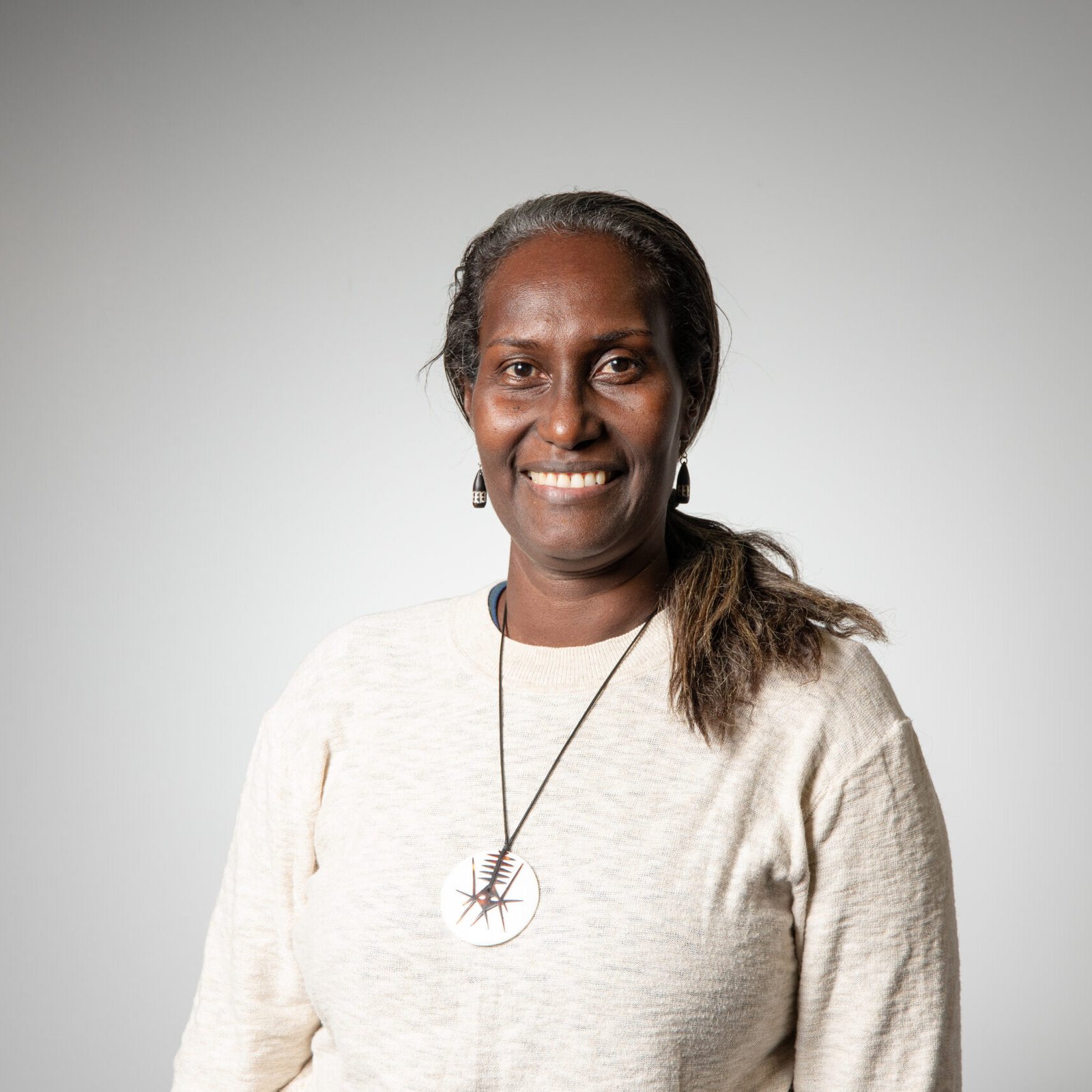
Dr. Katy Soapi
Pacific Community Centre for Ocean Science
Katy is the Coordinator for Partnerships and Engagement at the Pacific Community Centre for Ocean Science (PCCOS) at the Pacific Community (SPC). She also leads the Pacific Islands Ocean Acidification Centre, with a focus on strengthening scientific capacity and partnerships to advance evidence-based ocean governance across the Pacific. She has worked closely with international scientists on a range of ocean science initiatives, including marine natural products research, and has led numerous scientific expeditions in Fiji and the Solomon Islands. Katy is also a member of the team of experts supporting Pacific Small Island Developing States (PSIDS) negotiators in New York on ongoing work related to the BBNJ process.
Before joining SPC, she held several roles at the University of the South Pacific, including Lecturer and Manager of the Pacific Natural Products Research Centre. She holds a BSc from the University of the South Pacific, an MSc from the University of Sydney, and a PhD from the University of East Anglia.
Katy is also a founding member of the Tetepare Descendants’ Association, a community-based conservation organisation in the Solomon Islands that has championed biodiversity conservation while building strong partnerships with government, NGOs, and research organisations.