
Keynote Speakers
Check back for more keynote speakers to be added soon!
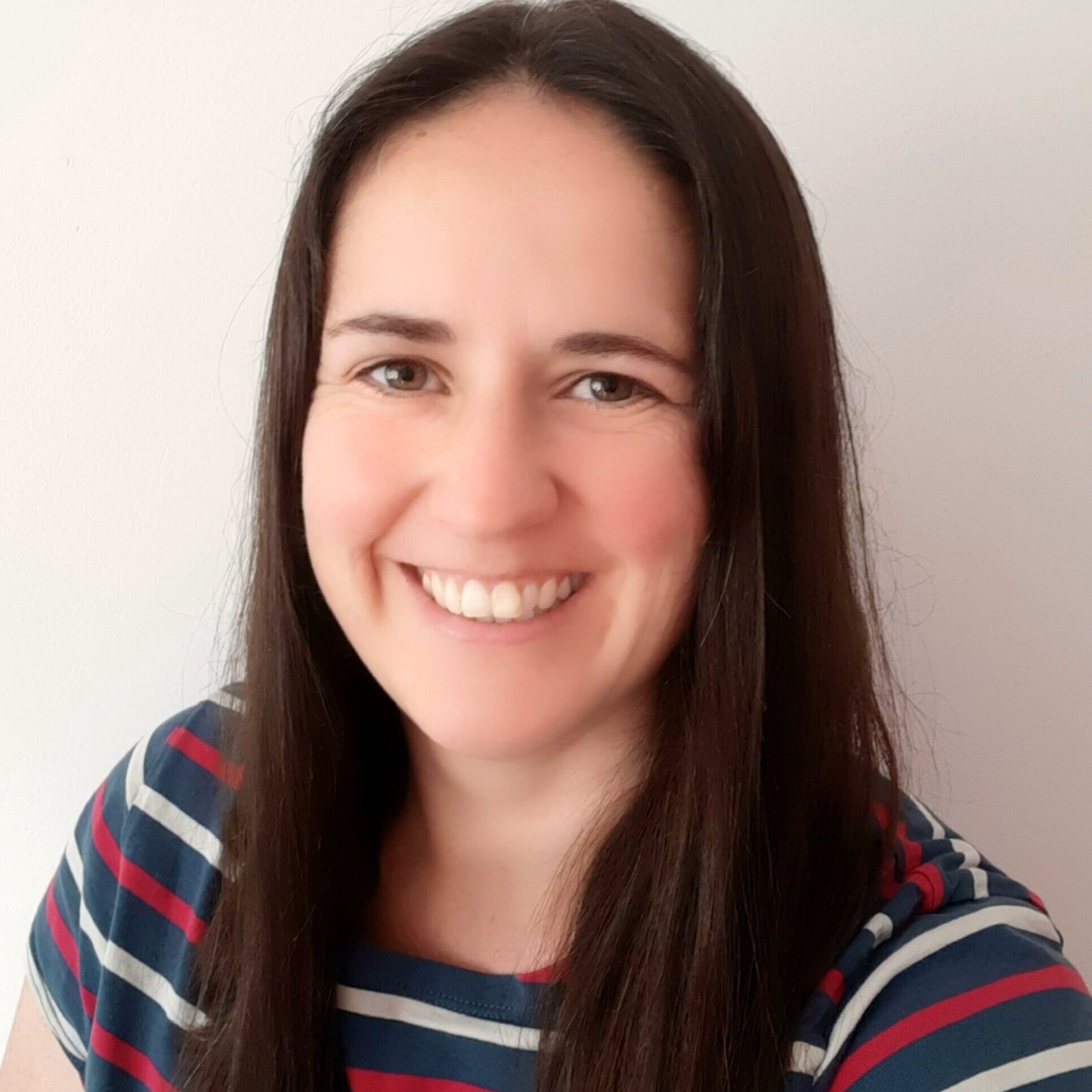
Prof. Helen Findlay
University of Exeter, United Kingdom
Helen Findlay is a biological oceanographer at Plymouth Marine Laboratory interested in understanding the effects of climate change and ocean acidification on marine ecosystems, and the application of this knowledge to maintain a healthy, sustainable ocean, with a particular focus on the Arctic and North East Atlantic. Over the past five years she has been increasingly involved in marine carbon dioxide removal research, investigating the environmental impacts associated with Ocean Alkalinity Enhancement and Direct Ocean Capture mechanisms.
She is a member of the Executive Council for the Global Ocean Acidification Observing Network (GOA-ON) and lead coordinator for the North East Atlantic Ocean Acidification (NEA-OA) regional hub of GOA-ON, which aim to establish accurate global monitoring of acidification, shared knowledge and capacity building, to underpin solutions. She is also chair of the GOA-ON mCDR working group. She is also a member of the UK National Capability Science Partnership Climate Interventions working group. She contributes to policy and public understanding by participating in activities ranging from UNFCCC events, working with groups such as the International Cryosphere Climate Initiative and the Ocean Acidification Alliance, by contributing to educational resources.
Assistant Prof. Ben P Harvey
Shimoda Marine Research Center, University of Tsukuba, Japan
Shimoda Marine Research Center, University of Tsukuba, Japan
Ben Harvey is a marine ecologist whose research examines how ocean acidification, marine heatwaves, and ocean warming reshape coastal ecosystems. He is an Assistant Professor at the Shimoda Marine Research Center, University of Tsukuba (Japan), where he leads research on climate-driven ecological change across temperate and tropical marine systems.
His work combines long-term field observations, manipulative mesocosm experiments, climate projection modelling to forecast future ecosystem trajectories, and studies of natural CO₂ analogues. Together, these approaches are used to investigate organismal vulnerability, species interactions, and ecosystem tipping points under multiple stressors. He has led research on the ecological and physiological consequences of ocean acidification using volcanic CO₂ seeps and semi-enclosed bays as natural laboratories; marine heatwave impacts on foundation species and climate-driven changes in coral reef carbonate budgets; as well as climate-driven tropicalisation and kelp forest collapse at the warm range edge in Japan.
Ben is a founding member of the UN Ocean Decade project ICONA (International CO₂ Natural Analogues Network), which seeks to coordinate global research on naturally variable systems as windows into future ocean conditions. Through international collaborations across Europe, the Pacific, and Asia, his research aims to identify ecological thresholds and refine projections of ecosystem resilience in a rapidly changing ocean.
Prof. Nianzhi Jiao
Director of the Research Center for Carbon Neutralization, Xiamen University
Dr. Jiao Nianzhi is a Cheung Kong Scholar Professor at Xiamen University, and the Director of the Research Center for Carbon Neutralization. He was elected members of Chinese Academy of Sciences (CAS) (2011), the World Academy for Developing Countries (TWAS)(2014), and American Academy of Microbiology (AAM) (2018).
Dr. Jiao has published more than 300 research papers in Science, Nature series, PNAS, NSR, and other first-class journals, which have been cited ~25,000 times. The paper about microbial carbon pump (MCP), a new mechanism for ocean carbon sequestration, proposed by Dr. Jiao, has been continuously listed as a highly cited paper by ESI for more than a decade. Science commented MCP as "The invisible hand behind a vast carbon reservoir". The MCP concept and related approaches for ocean negative carbon emissions (ONCE) were included in the IPCC Assessment Report 6(2019)and the United Nations Intergovernmental Oceanographic Commission (IOC) Ocean Carbon Report (IOC-R)(2021).
Dr. Jiao was the Lead Author (LA) of the chapter of marine ecosystem and climate of the IPCC special report on Ocean and Cryosphere (2017-2019) and the LA of the chapter of solutions to mitigation of climate change of the Intergovernmental Oceanographic Commissions (IOC) Ocean Carbon Report (IOC-R) (2021), and the Coordinating Lead Author of the chapter “Science for a resilient planet” of the United Nations Education Science and Culture Organization (UNESCO) Science Report (USR) (2026). Dr. Jiao is the Chair of the UNESCO-IOC Ocean Decade international program -- Global Ocean Negative Carbon Emissions (Global-ONCE) since 2022. (https://www.global-once.org/#/home).